
The year 1969 marked a pivotal moment in American education, reflecting the nation’s broader socio-political transformations. This period witnessed significant legislative reforms, curricular innovations, and ongoing challenges related to educational equity. This article delves into the educational landscape of 1969, exploring its context, innovations, disparities, and enduring legacy.
📚 A Snapshot of the American Education Landscape in 1969
In 1969, the American education system was deeply shaped by the intense socio-political transformations that defined the decade. The Civil Rights Movement, having reached major milestones earlier in the 1960s, had thrust issues of racial inequality, segregation, and access to opportunity into the national spotlight. Education became one of the key battlegrounds in the fight for civil rights, with students, parents, and activists pushing for systemic reform across the country.
One of the most consequential legislative developments of this era was the Civil Rights Act of 1964. Title VI of the Act prohibited discrimination on the basis of race, color, or national origin in programs receiving federal assistance—including public schools. This laid the legal and moral foundation for widespread desegregation efforts and helped pave the way for more inclusive educational environments. However, enforcement was uneven, and resistance—particularly in the South—remained a significant obstacle to rapid change.
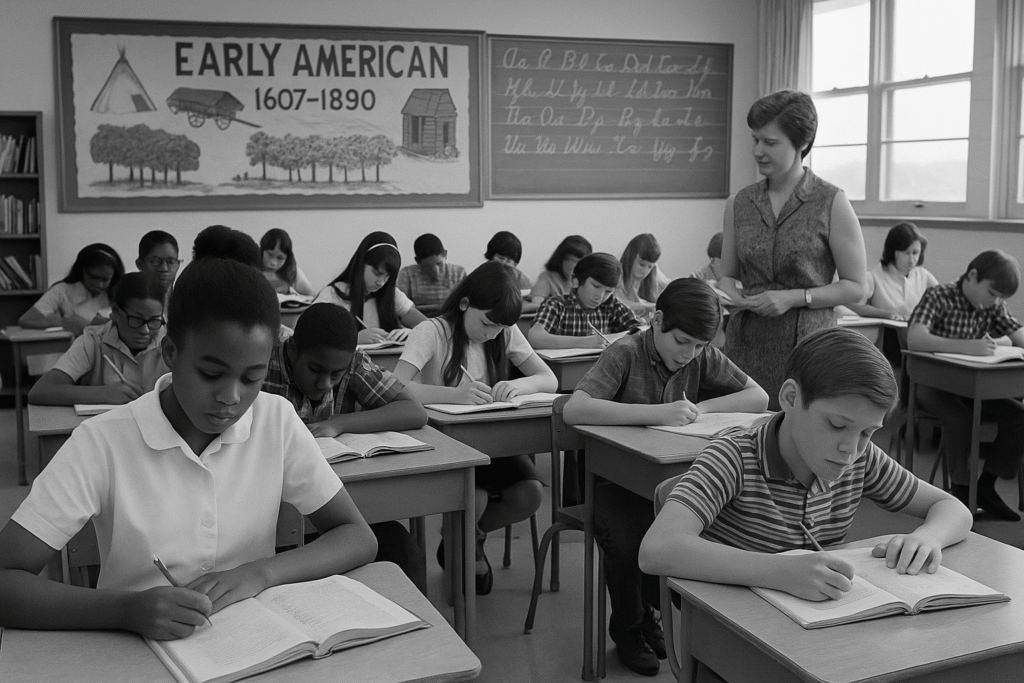
Building on the momentum for equality, President Lyndon B. Johnson launched his ambitious “Great Society” initiative, aiming to eradicate poverty and racial injustice. Education was a key pillar of this agenda. The Elementary and Secondary Education Act (ESEA) of 1965 represented a historic commitment by the federal government to fund public education, especially in underserved and economically disadvantaged areas. Title I of the ESEA, which targeted schools in low-income communities, marked the beginning of sustained federal involvement in ensuring educational equity.
By 1969, a growing tension emerged between public and private education systems. Public schools, bolstered by federal funding and subject to desegregation mandates, became focal points for reform. In contrast, private institutions, often shielded from government oversight, continued to operate with greater autonomy. This division underscored persistent disparities in resources, accountability, and outcomes—issues that would continue to challenge policymakers and educators for decades to come.
🧠 Curriculum and Innovation: The Changing Face of Classroom Content
The educational curriculum in 1969 was in the midst of a transformative evolution, mirroring the social, technological, and political currents sweeping across the United States. This period saw a gradual departure from rigid, traditional instruction toward a more dynamic and responsive model of education—one designed to meet the demands of a modernizing society.

Educators began to embrace progressive teaching philosophies, influenced by thought leaders like John Dewey, which emphasized experiential learning and the development of critical thinking skills. The conventional focus on rote memorization and passive learning was increasingly viewed as inadequate for preparing students to thrive in a rapidly changing world. Instead, schools sought to cultivate intellectual curiosity, problem-solving abilities, and real-world application of knowledge.
One of the most groundbreaking changes of the late 1960s was the integration of new academic disciplines into the standard curriculum. Computer science, though in its infancy, began to appear in select high schools and universities, foreshadowing the digital revolution to come. Likewise, the teaching of modern foreign languages—such as Spanish, French, and German—gained traction, reflecting a growing awareness of global interconnectedness during the Cold War and the rise of international diplomacy.
The movement toward student-centered learning also gained momentum. Educational theorists and teachers advocated for personalized learning environments that nurtured creativity, independence, and self-expression. This shift encouraged students to become active participants in their education, engaging with content through discussion, experimentation, and collaborative projects.
The national emphasis on scientific achievement, spurred by the ongoing space race and the 1969 Apollo 11 moon landing, further accelerated investment in STEM (science, technology, engineering, and mathematics) education. American schools responded with renewed vigor, introducing updated science curricula and modern laboratory equipment to inspire the next generation of innovators.
This reimagined approach to curriculum marked a pivotal step in aligning education with the realities and aspirations of a changing society.
⚖️ Challenges and Disparities: Understanding the Inequalities
Despite major policy advancements and federal support, the American education system in 1969 remained marked by deep-rooted disparities and challenges—particularly for marginalized and underserved communities. While legislation such as the Elementary and Secondary Education Act (ESEA) laid a promising foundation, implementation often fell short of its transformative potential.
Many schools, especially in inner-city neighborhoods and remote rural areas, struggled with persistent underfunding, outdated materials, and overcrowded classrooms. Structural segregation—though legally abolished—continued in practice across many regions, with minority students disproportionately concentrated in under-resourced schools. These conditions starkly contrasted with those of wealthier, predominantly white districts, where access to advanced coursework, extracurricular programs, and better-trained teachers was significantly higher.
The socio-economic divide further compounded these challenges. Students from low-income families often faced barriers beyond the classroom, such as limited access to healthcare, transportation, and nutritious meals, all of which impacted their academic performance. Moreover, language barriers and cultural exclusion made learning environments difficult for children from immigrant and Indigenous backgrounds.
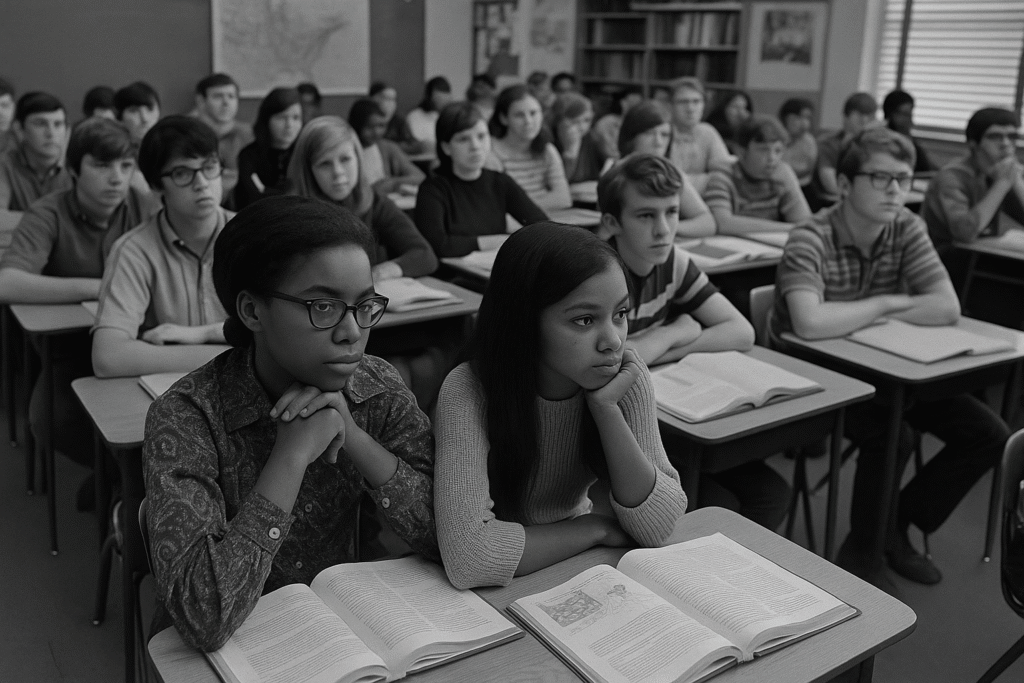
Federal initiatives like Title I of the ESEA were designed to narrow this gap by channeling additional funds to disadvantaged schools. Yet, the outcomes varied widely. While some districts leveraged this support to expand services and improve teacher training, others lacked the infrastructure or political will to drive meaningful change.
Regional disparities were also stark. Southern states, still grappling with the aftermath of court-ordered desegregation, often lagged in funding parity and curriculum modernization. Meanwhile, urban centers faced mounting pressure from civil rights activists and the media, which increasingly spotlighted the educational inequities with reports of crumbling buildings, textbook shortages, and racial bias in discipline and tracking systems.
These realities in 1969 underscored the urgent need for systemic reform—a conversation that continues in education policy debates today.
🏛️ The Legacy of 1969: Lasting Impacts on Today’s Education System
The reforms and systemic shifts that emerged in 1969 continue to reverberate throughout the American education system, leaving an enduring legacy that shapes educational priorities, policies, and pedagogy today. That pivotal year served as a launchpad for many of the foundational ideas that now guide modern schooling—including equity, innovation, and adaptability.
One of the most lasting impacts of 1969 is the principle of educational access. The drive to eliminate barriers for marginalized communities laid the groundwork for ongoing advocacy around inclusion, diversity, and equal opportunity. Federal funding structures introduced in the late 1960s, especially through programs like Title I, remain vital tools for supporting under-resourced schools and narrowing achievement gaps.
In the classroom, the seeds of progressive education planted during this era have blossomed into mainstream practice. Concepts such as student-centered learning, interdisciplinary studies, and project-based instruction—once considered experimental—are now widely accepted and implemented. Additionally, the inclusion of diverse subjects like environmental science, media literacy, and coding trace their roots back to curriculum expansions that began in the late 1960s.
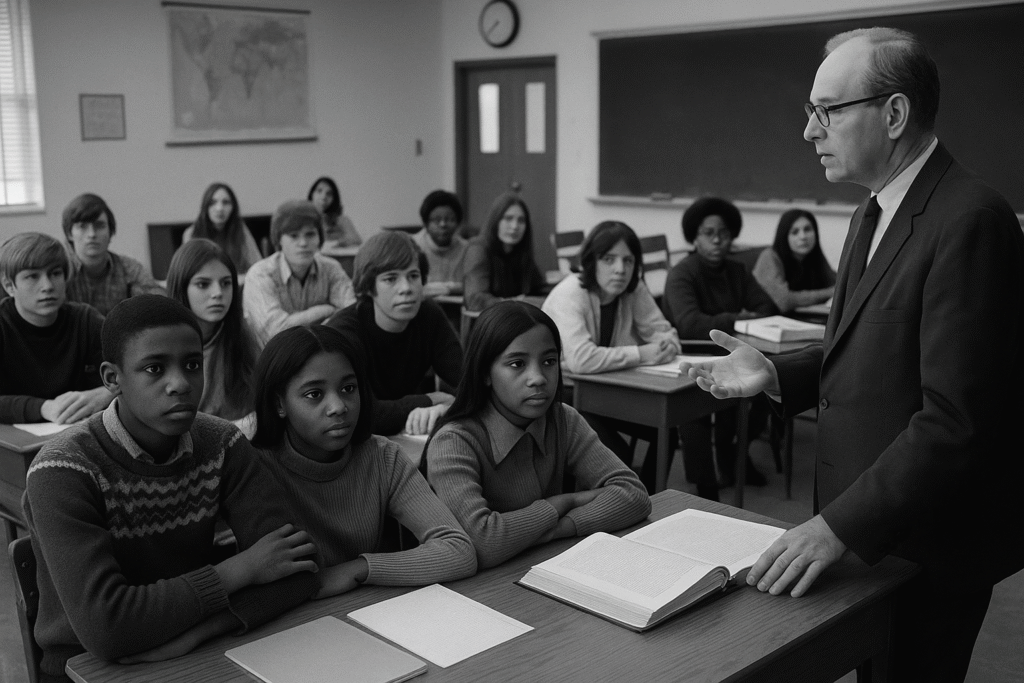
Technology’s role in education also echoes back to this transformative period. While the tools have changed dramatically, the recognition of technology as a key driver of learning began with early computer science initiatives of the time. Today, with the integration of digital tools, virtual classrooms, and AI-powered platforms, the emphasis on technological fluency continues to grow.
The accountability and standards-based education models of the 21st century can also be linked to reforms initiated in response to the challenges exposed during 1969. While debates continue over testing and performance metrics, their origins lie in a national desire for improved outcomes and system-wide accountability.
Understanding 1969 not just as history, but as a blueprint for reform, offers invaluable insight. It reminds us that progress requires vision, resilience, and a continual commitment to bridging gaps and redefining what a truly equitable and effective education can be.
In conclusion, the state of education in 1969 was marked by significant strides towards equity and innovation, alongside persistent challenges. The reforms and developments of this pivotal year have had a profound and enduring impact on the American education system, offering lessons and guiding principles that continue to inform educational policy and practice today.
Conclusion: Education in 1969—A Blueprint for Enduring Reform
The educational landscape of 1969 represents far more than a historical snapshot—it stands as a transformative chapter in the evolution of American schooling. As the nation wrestled with social upheaval, racial inequality, and sweeping cultural change, the education system found itself both a battleground and a beacon of hope. Policymakers and educators alike sought to confront systemic barriers while embracing innovation, striving to build a more inclusive and responsive system for all students.
The reforms catalyzed by the Civil Rights Movement and the Great Society programs reflected a growing recognition that education is not merely a societal function, but a fundamental right. Landmark legislation like the Elementary and Secondary Education Act began to channel resources where they were needed most, reshaping school funding priorities and emphasizing equity. Progressive pedagogical shifts and the integration of emerging technologies signaled a break from tradition, pointing education toward a future that valued critical thinking, creativity, and student agency.
Yet, the journey was—and still is—fraught with challenges. Deep-rooted disparities persisted in 1969 and continue to manifest today, reminding us that progress is not always linear. Issues like underfunding, regional inequities, and unequal access to quality education still demand focused attention and sustained commitment.
Looking back at 1969, we uncover lessons that resonate deeply with today’s educational discourse: the need for bold reform, the value of culturally responsive teaching, the importance of inclusive curricula, and the role of government in driving systemic change. As we navigate the complexities of 21st-century education—from digital learning to globalized classrooms—1969 offers a powerful lens through which to examine where we’ve been, what we’ve learned, and where we must go next.
In essence, 1969 was not just a year of transformation—it was a call to action, one that still echoes in our classrooms today.
📚 Reflecting on 1969: What Lessons Still Matter Today?
The educational landscape of 1969 was shaped by reform, resistance, and remarkable progress. From classroom innovations to civil rights-driven policy, its legacy continues to ripple through today’s schools. What changes do you think still echo in today’s education system?
📬 Share Your Thoughts