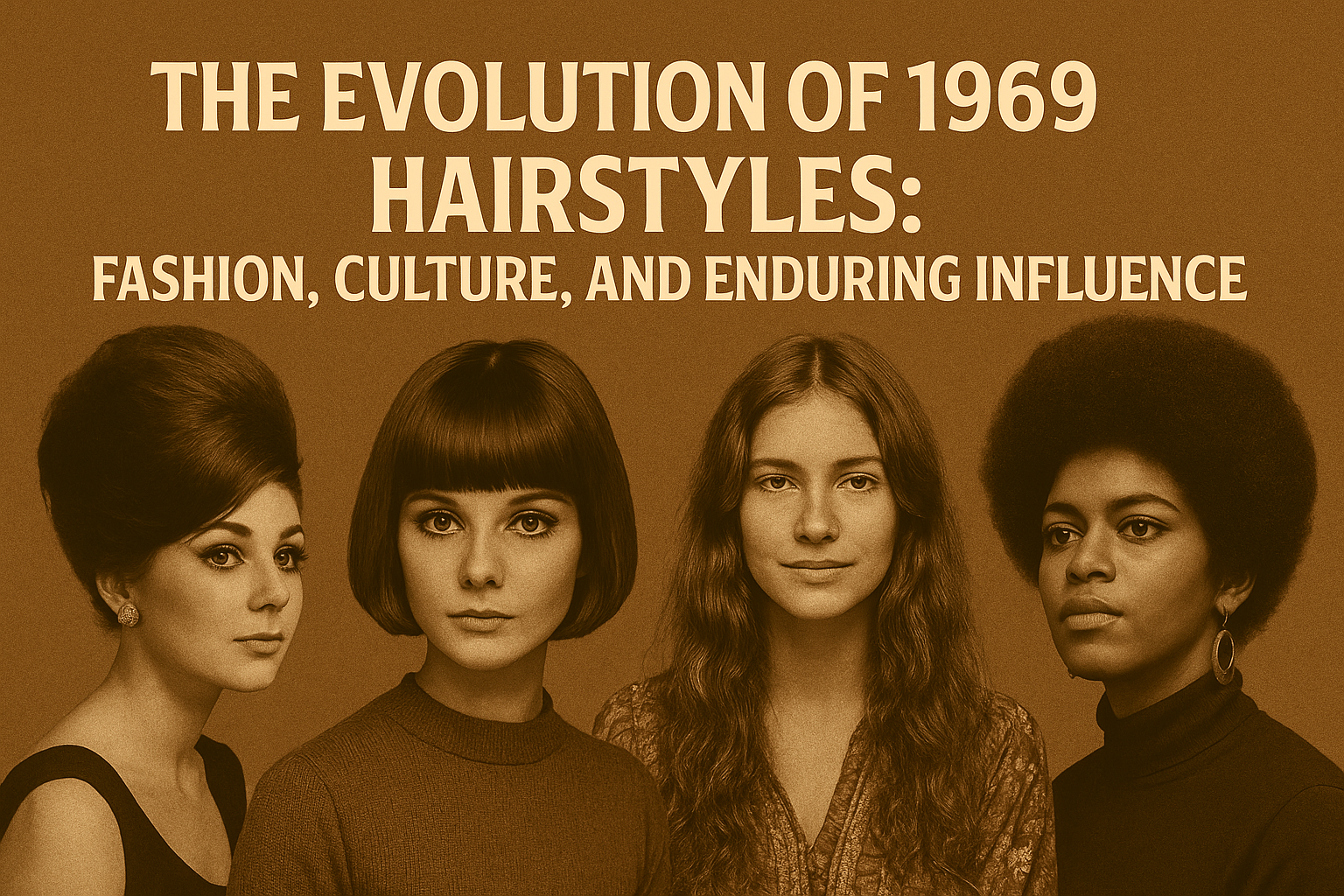
The year 1969 was a pivotal moment in fashion history, marked by a confluence of cultural shifts, political upheaval, and artistic innovation. As the world grappled with significant changes, fashion became a powerful medium for self-expression and societal commentary. This article delves into the influential figures who shaped the fashion landscape of 1969 and examines their enduring impact on contemporary style.
Introduction to Fashion Icons of 1969: Setting the Stage
The late 1960s were characterized by a spirit of rebellion and a desire for change. Movements advocating for civil rights, gender equality, and anti-war sentiments permeated society, influencing various aspects of culture, including fashion. Clothing became a canvas for individuals to express their identities, beliefs, and aspirations.
Fashion icons emerged as symbols of this transformative era, challenging traditional norms and introducing innovative styles. Unlike the earlier part of the decade, which favored conservative silhouettes and muted tones, 1969 embraced bold colors, eclectic patterns, and unconventional designs. This shift not only reflected the changing societal landscape but also set the stage for future fashion revolutions.
Iconic Women Who Redefined 1969 Fashion
Twiggy: The Face of Mod Fashion
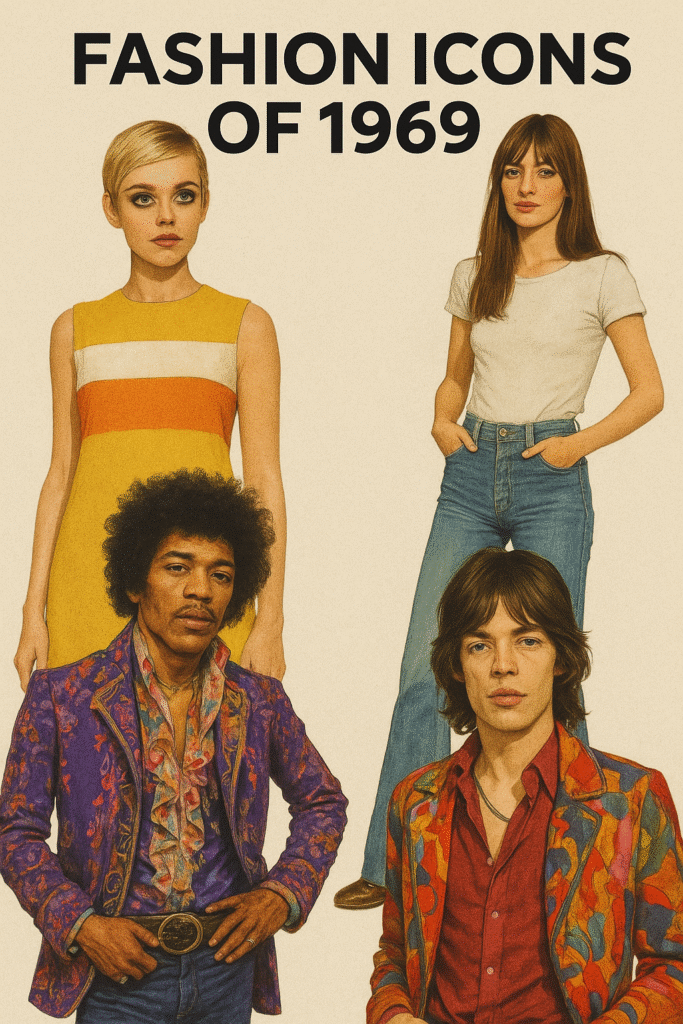
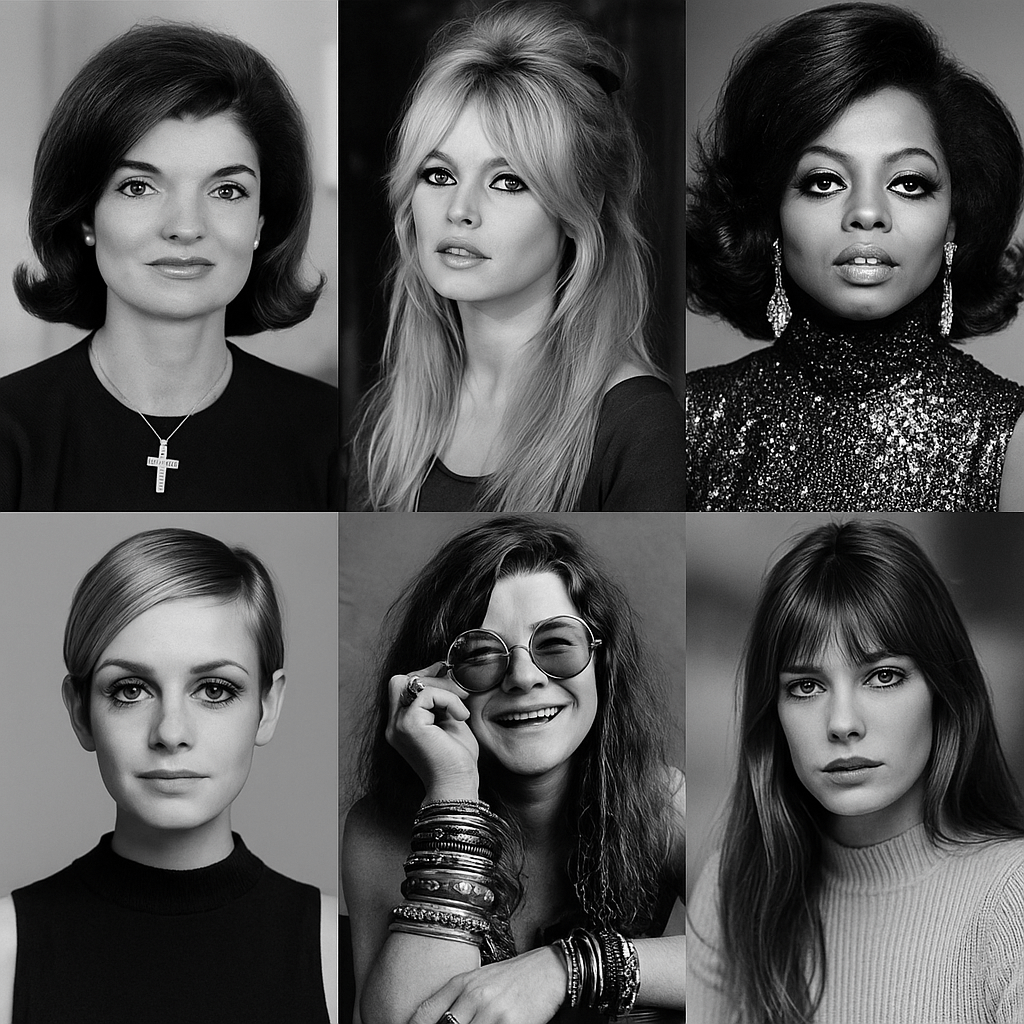
Lesley Lawson, popularly known as Twiggy, epitomized the mod fashion movement of the 1960s. With her androgynous look, short pixie haircut, and striking eye makeup, Twiggy became a global sensation. Her preference for mini skirts, shift dresses, and bold geometric patterns challenged traditional feminine aesthetics and inspired a generation to embrace a more liberated style.
Jane Birkin: The Muse of Effortless Chic
British actress and singer Jane Birkin introduced a sense of effortless elegance to 1969 fashion. Known for her minimalist approach, Birkin often donned simple white tees, flared jeans, and basket bags. Her style emphasized natural beauty and comfort, influencing the rise of casual chic in women’s fashion.
Audrey Hepburn: Timeless Elegance
Audrey Hepburn’s sophisticated style continued to captivate audiences in 1969. Her affinity for clean lines, monochromatic ensembles, and classic accessories like the little black dress and ballet flats reinforced the appeal of timeless fashion. Hepburn’s collaboration with designer Hubert de Givenchy further solidified her status as a fashion icon.
Aretha Franklin: The Queen of Soul and Style
Aretha Franklin’s influence extended beyond her powerful vocals; she was also a fashion trailblazer. Embracing bold colors, sequined gowns, and elaborate hairstyles, Franklin’s style celebrated African American culture and empowered women to express themselves unapologetically. Her fashion choices resonated with the burgeoning Black Pride movement, making her a symbol of strength and elegance.
Jacqueline Kennedy
A former First Lady turned global style icon, Jacqueline Kennedy continued to influence fashion well beyond the White House. By 1969, her sophisticated, clean-cut look—defined by tailored suits, pillbox hats, and oversized sunglasses—embodied timeless elegance. Often photographed in European couture, her style set the standard for high-society chic. Jackie’s fashion choices, always graceful and composed, served as a cultural counterpoint to the more rebellious trends of the late ’60s.
Brigitte Bardot
French actress and model Brigitte Bardot was the epitome of effortless sex appeal and bohemian glamour. In 1969, her signature look—voluminous tousled hair, bold eyeliner, and off-the-shoulder silhouettes—inspired an entire generation of women to embrace sensuality and freedom. Bardot’s style blended French Riviera ease with rock ‘n’ roll edge, influencing both streetwear and haute couture in Europe and beyond.
Janis Joplin
The raw voice of the psychedelic era, Janis Joplin was as bold in fashion as she was on stage. Her 1969 wardrobe was a visual symphony of feathers, fringe, beads, and round glasses—a free-spirited mix that captured the heart of the counterculture. She broke conventional fashion norms, favoring expressive self-styling over trends, and helped define the aesthetic of Woodstock-era rebellion and authenticity.
Diana Ross
As the lead singer of The Supremes and a rising solo act, Diana Ross exuded glamour and control. By 1969, her polished style—sparkling gowns, dramatic eye makeup, and sculpted hair—reflected the poise of Motown royalty. Diana not only set fashion trends among African American women, but also used her image to challenge mainstream beauty standards, embodying Black elegance and empowerment.
Men Who Defined 1969 Style: Beyond Suits
Jimi Hendrix: Psychedelic Fashion Pioneer
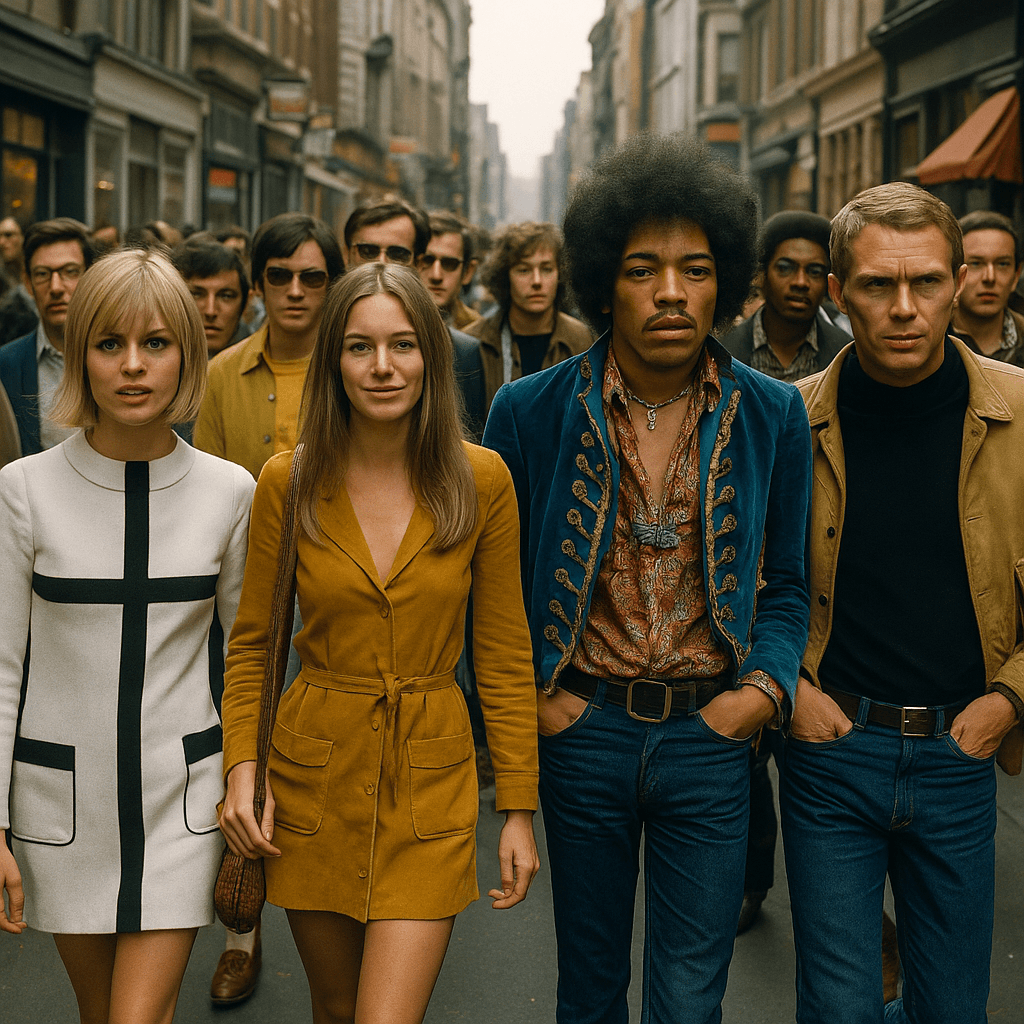
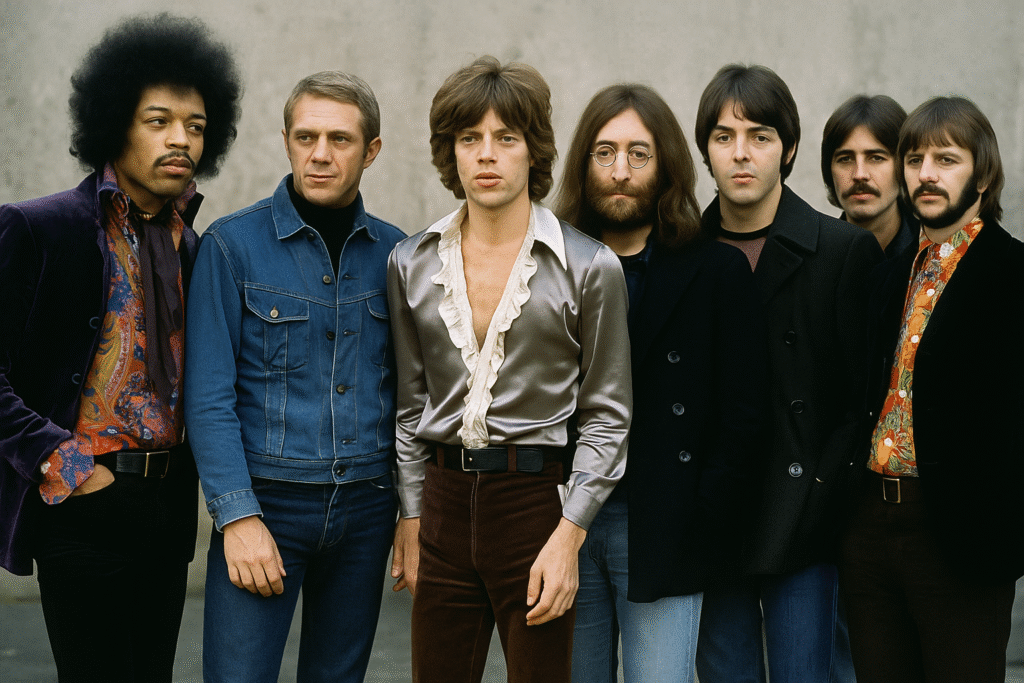
Jimi Hendrix’s flamboyant style mirrored his revolutionary music. Favoring vibrant colors, paisley prints, and military jackets adorned with fringe and beads, Hendrix’s wardrobe was a fusion of various cultural influences. His collaboration with designers Michael Braun and Toni Ackermann resulted in iconic outfits that embodied the era’s spirit of experimentation and individuality.
Mick Jagger: The Glam Rock Aesthetic
As the frontman of The Rolling Stones, Mick Jagger’s fashion choices were as provocative as his performances. Embracing androgyny, Jagger often wore satin shirts, tight trousers, and flamboyant scarves. His daring ensembles challenged gender norms and paved the way for the glam rock fashion movement.
Steve McQueen: The King of Cool
Actor Steve McQueen brought a rugged masculinity to 1969 fashion. Known for his minimalist style, McQueen favored denim jackets, turtlenecks, and aviator sunglasses. His understated yet edgy look resonated with men seeking a balance between classic and contemporary fashion.
The Beatles and The Rolling Stones: Music Meets Fashion
Both The Beatles and The Rolling Stones significantly influenced men’s fashion in 1969. The Beatles transitioned from their early matching suits to more eclectic and individualistic styles, incorporating elements like Nehru jackets and psychedelic prints. The Rolling Stones, with their rebellious image, popularized leather jackets, skinny jeans, and graphic tees, setting trends that would endure for decades.
The Legacy of 1969 Fashion Icons: Influence on Today’s Trends
The fashion innovations of 1969 continue to inspire contemporary designers and fashion enthusiasts. The cyclical nature of fashion ensures that trends from this transformative year resurface with modern twists.
Revival of Vintage Styles
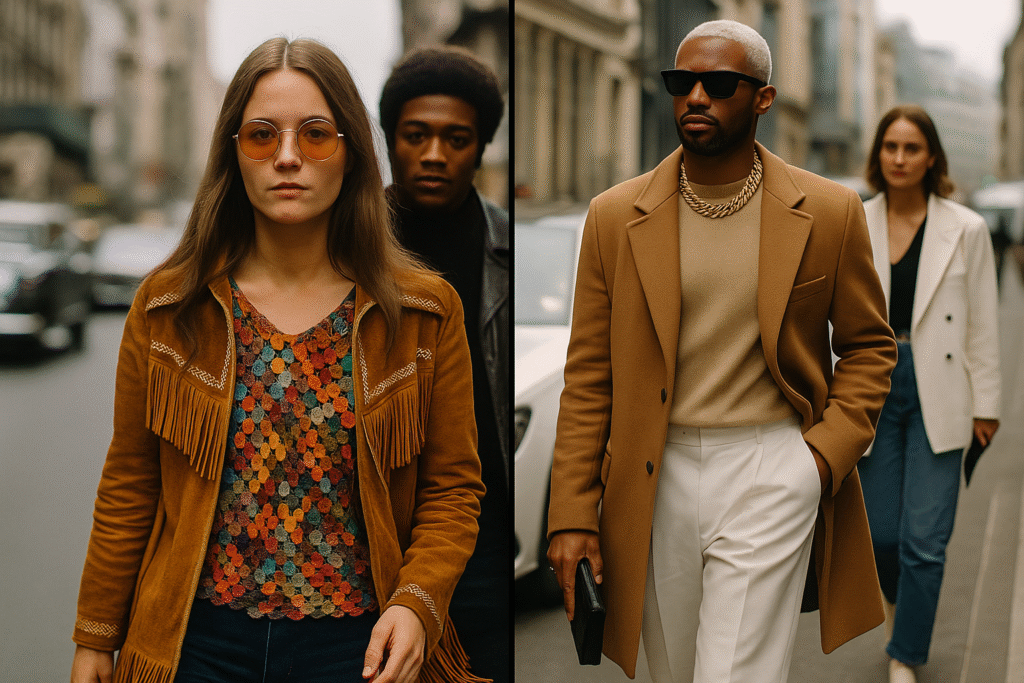
Designers frequently draw inspiration from 1969’s fashion icons. Mini skirts, flared pants, and bohemian prints have made comebacks on modern runways. Brands like Prada and Gucci have reimagined these classic styles, blending nostalgia with contemporary aesthetics.
Enduring Influence of Fashion Icons
The personal styles of figures like Twiggy, Jane Birkin, and Jimi Hendrix continue to resonate. Their emphasis on individuality and self-expression laid the groundwork for today’s diverse fashion landscape. Modern celebrities and influencers often pay homage to these icons through their sartorial choices.
Quotes from Modern Designers
Contemporary designers acknowledge the impact of 1969 fashion. For instance, designer Marc Jacobs has cited the era’s emphasis on freedom and creativity as a significant influence on his work. Similarly, Stella McCartney has spoken about the inspiration she draws from the boldness and innovation of 1960s fashion pioneers.
In conclusion, 1969 was a landmark year in fashion, characterized by a departure from convention and an embrace of self-expression. The icons of this era not only redefined style but also used fashion as a means to reflect and influence societal changes. Their legacy endures, reminding us of the power of clothing as a form of personal and cultural expression.
🎨 Still Inspired by 1969?
Discover how fashion from 1969 continues to shape what we wear today. Who’s your favorite icon from this golden era—Hendrix, Twiggy, or McQueen?
Share your thoughts below!