The year 1969 marked a pivotal moment in American television, reflecting the nation’s social upheavals, technological advancements, and evolving audience preferences. As the country grappled with the Vietnam War, civil rights movements, and the counterculture revolution, television served both as a mirror and a mold for public sentiment.
The medium was undergoing a transformation, with color broadcasts becoming more prevalent and programming diversifying to address contemporary issues. Viewers were not just passive consumers; they sought content that resonated with their experiences and aspirations. This demand led to the emergence of shows that blended entertainment with social commentary, setting new standards for storytelling.
Technological innovations also played a role in reshaping television. The introduction of portable TV sets and improvements in broadcast quality made television more accessible, allowing it to reach a broader audience. These advancements, coupled with the public’s appetite for relevant content, paved the way for a golden era of television that would influence generations to come.
In this dynamic landscape, several shows stood out for their cultural significance and enduring appeal. From family sitcoms to groundbreaking dramas, the television programs of 1969 not only entertained but also challenged viewers to think critically about the world around them.
Television in Cultural Transition: The Context of 1969 TV
In 1969, American television was at a crossroads, mirroring the nation’s societal shifts and technological progress. The medium evolved from a source of escapist entertainment to a platform that engaged with pressing social issues, reflecting the complexities of the era.
The civil rights movement, anti-war protests, and the rise of the counterculture influenced television narratives, leading to the introduction of shows that addressed topics like racial equality, gender roles, and generational conflicts. This period saw the debut of programs that broke away from traditional formats, embracing more nuanced storytelling and diverse perspectives.
Technological advancements further transformed the television landscape. The widespread adoption of color broadcasting enhanced the viewing experience, while the development of portable TV sets allowed audiences to watch their favorite shows in various settings. These innovations contributed to television’s growing presence in everyday life, solidifying its role as a central medium for information and entertainment.
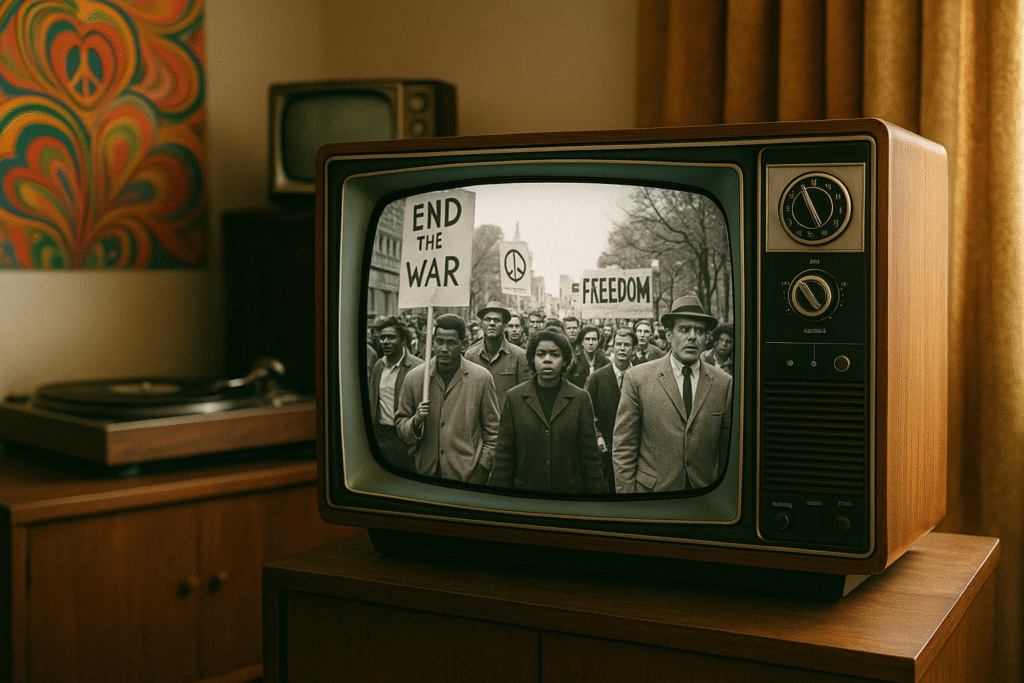
Audience demographics also shifted during this time. The baby boomer generation, coming of age in the late 1960s, sought content that resonated with their values and experiences. This demand led to the creation of programs that addressed contemporary issues, blending entertainment with social commentary.
Overall, 1969 was a transformative year for television, setting the stage for future innovations in programming and storytelling. The medium’s ability to adapt to societal changes and technological advancements ensured its continued relevance and influence in American culture.
The Big Players: Shows That Defined 1969
Several television programs in 1969 left an indelible mark on the cultural landscape, reflecting the era’s complexities and aspirations. These shows not only entertained but also engaged with contemporary issues, offering audiences a mirror to their society.
“Bonanza,” a long-running Western drama, continued to captivate viewers with its portrayal of the Cartwright family’s adventures. The show’s emphasis on moral dilemmas and family values resonated with audiences, making it a staple of American television.
“The Brady Bunch” debuted in 1969, presenting a blended family navigating everyday challenges. The sitcom’s lighthearted approach to family dynamics and its catchy theme song quickly endeared it to viewers, establishing it as a cultural icon.
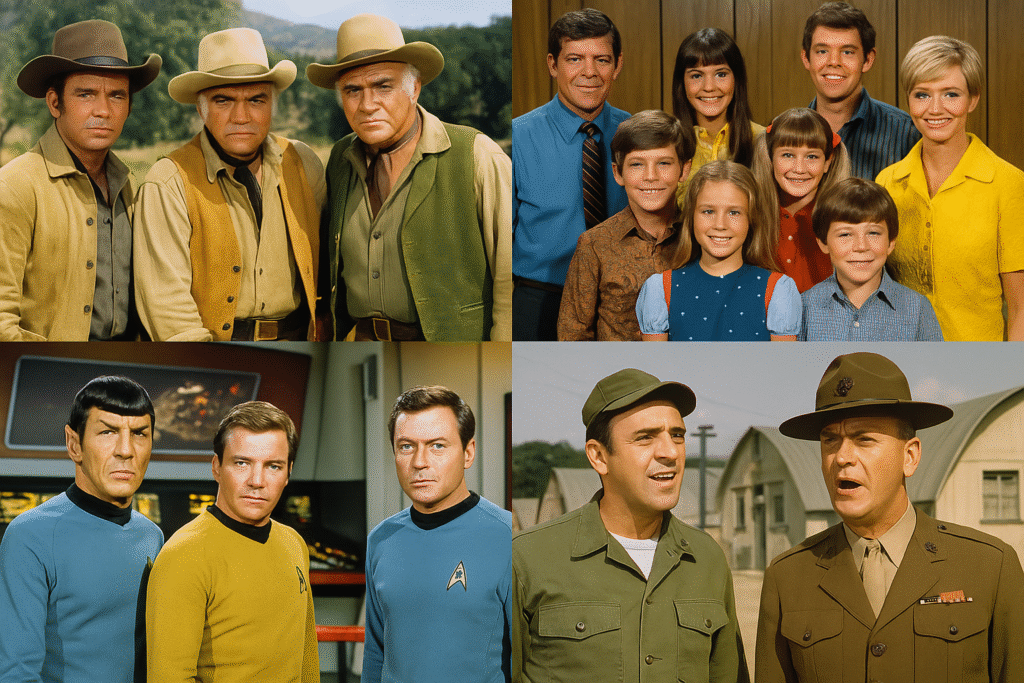
“Star Trek,” though concluding its original run in 1969, had already laid the groundwork for a lasting legacy. Its exploration of futuristic themes and social issues, such as diversity and cooperation, resonated with audiences and would inspire numerous spin-offs and adaptations.
“Gomer Pyle, U.S.M.C.” offered a comedic take on military life, following the misadventures of its naive yet endearing protagonist. The show’s humor and heartwarming moments provided a counterbalance to the era’s tensions, making it a favorite among viewers.
These programs exemplified television’s capacity to reflect and shape societal values, leaving a lasting impact on the medium and its audiences.
Diversity in Programming: Breaking Stereotypes
The television landscape of 1969 began to embrace greater diversity, challenging longstanding stereotypes and offering more inclusive narratives. This shift marked a significant step toward representing the multifaceted nature of American society.
“Julia,” starring Diahann Carroll, broke new ground as one of the first shows to feature an African American woman in a non-stereotypical role. Portraying a widowed nurse raising her son, the series addressed themes of resilience and professionalism, offering a nuanced depiction of Black family life.
“Room 222” tackled issues of race, gender, and generational divides within a high school setting. The show’s diverse cast and storylines reflected the changing dynamics of American classrooms, highlighting the importance of understanding and inclusivity.
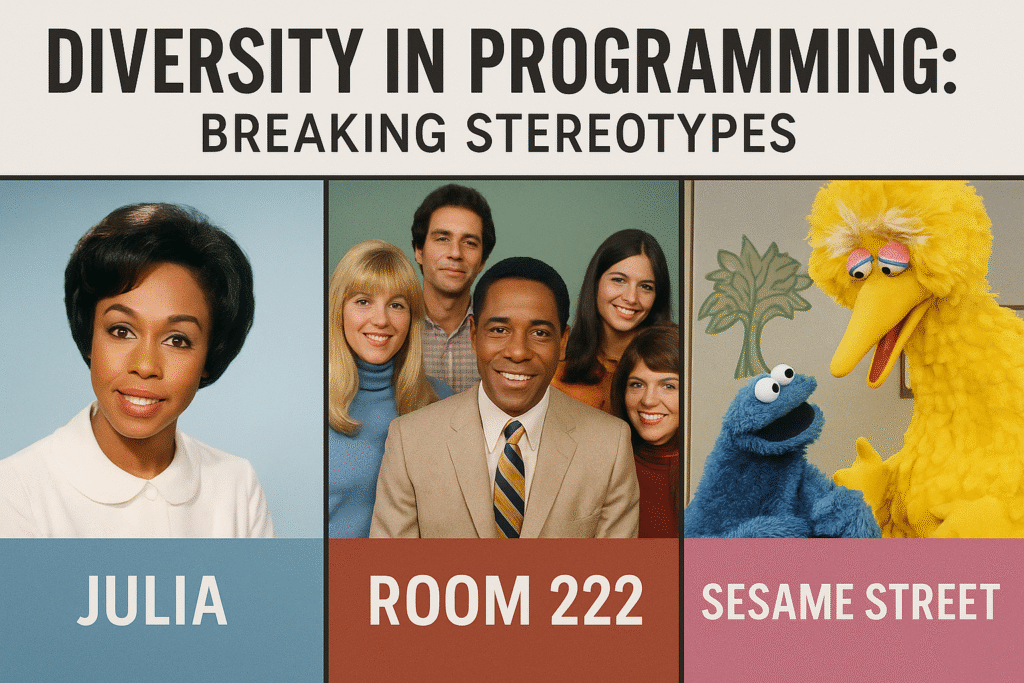
Children’s programming also evolved, with shows like “Sesame Street” debuting in 1969. The educational series combined entertainment with learning, featuring a diverse cast and addressing topics such as literacy, numeracy, and social skills.
Behind the scenes, women increasingly took on roles in television production and storytelling. Their contributions helped shape narratives that resonated with broader audiences, paving the way for more equitable representation in the industry.
These developments signaled a move toward a more inclusive television landscape, reflecting the diverse experiences and perspectives of American viewers.
Legacy and Influence: Lasting Impact of 1969 Shows
The television programs of 1969 have left a lasting legacy, influencing the medium’s evolution and continuing to resonate with audiences today. Their innovative storytelling and engagement with social issues set new standards for content creation and representation.
Many of these shows have inspired reboots, spin-offs, and adaptations, demonstrating their enduring appeal. “Star Trek,” for instance, has expanded into a vast franchise encompassing multiple series and films, exploring contemporary themes through a futuristic lens.
The narrative structures and character developments pioneered in 1969 have become staples in modern television. The blending of comedy and drama, as seen in “Room 222,” paved the way for the “dramedy” genre, influencing shows like “The Wonder Years” and “Glee.”
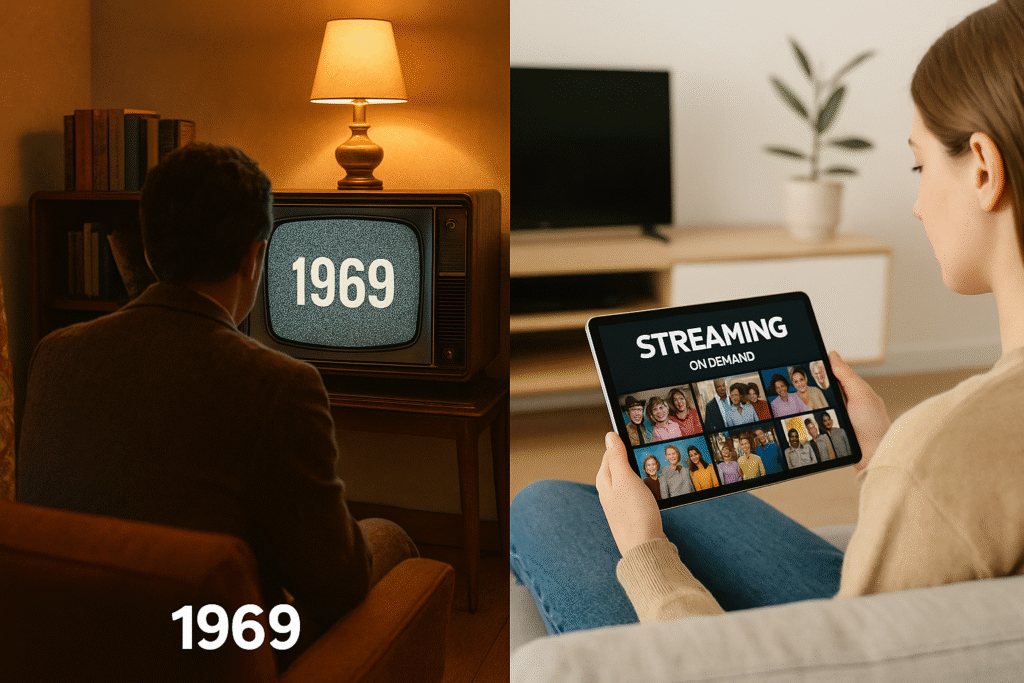
Nostalgia for these classic programs has fueled a resurgence in their popularity, with reruns and streaming services introducing them to new generations. This renewed interest underscores the timeless nature of their themes and storytelling.
Internationally, the influence of 1969’s television landscape can be seen in programming that embraces diversity and tackles social issues. The global reach of these shows has contributed to a more interconnected and empathetic media environment.
In sum, the television shows of 1969 not only reflected their time but also shaped the future of the medium, leaving an indelible mark on the cultural fabric of society.
📺 What Are Your Memories of 1969 TV?
Did one of these classic shows shape your childhood—or change how you see the world? Share your thoughts in the comments below. We’d love to hear from you!
📖 Read the Book Review: *1969 – The Year Everything Changed*